The BEST Martial Arts School in Vero Beach!
June Special: 30-Day FREE Membership! (Limited Spots!)
For All Ages 5 and up!
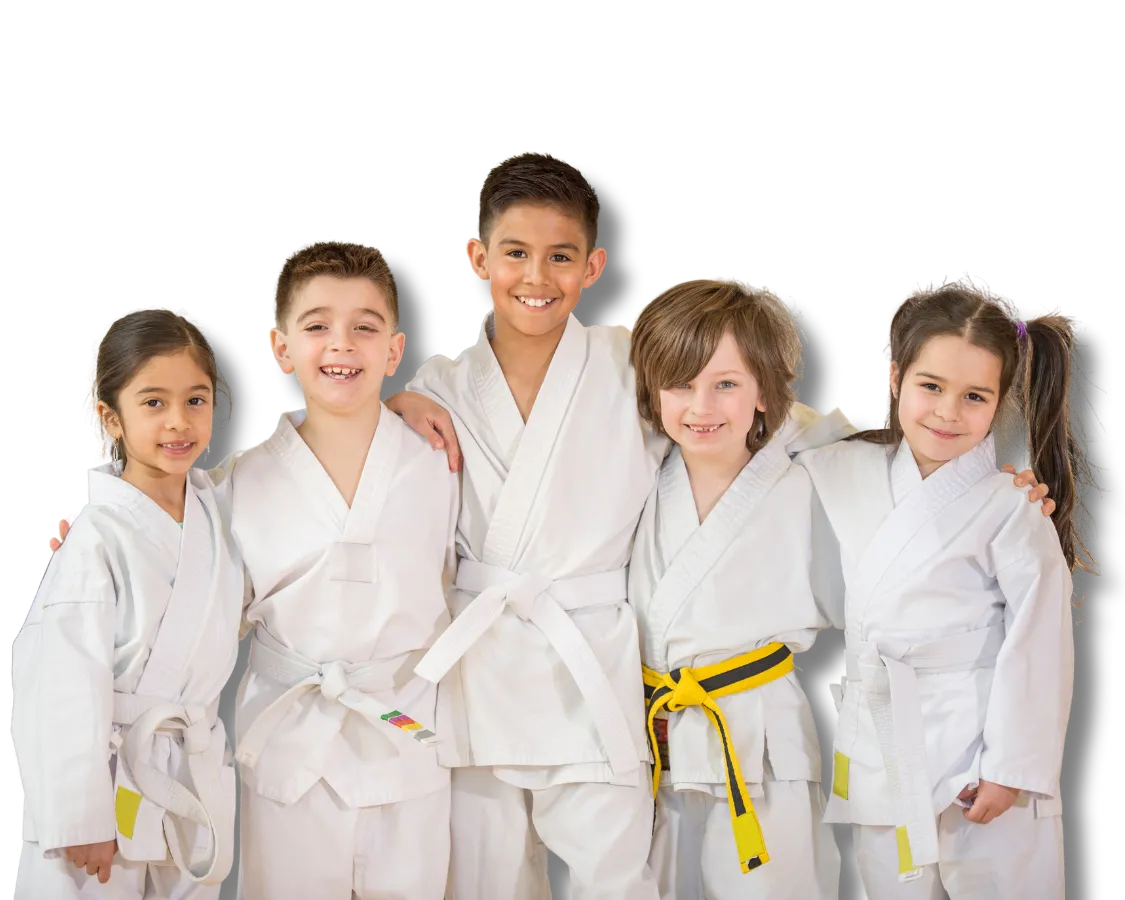
The BEST Martial Arts School in Vero Beach!
June Special (Limited Spots!)
30-Day FREE Membership
For All Ages 5 and up!
The BEST Martial Arts School in Vero Beach!
June Special (Limited Spots!)
30-Day FREE Membership
For All Ages 3 and up!
The BEST Martial Arts School in Vero Beach!
June Special (Limited Spots!)
30-Day FREE Membership
For All Ages 3 and up!
The BEST Martial Arts School in Vero Beach!
June Special (Limited Spots!)
30-Day FREE Membership
For All Ages 3 and up!
The BEST Martial Arts School in Vero Beach!
June Special (Limited Spots!)
30-Day FREE Membership
For All Ages 3 and up!
You Are Going To Love Our Fun, Safe, And Affordable Martial Arts Classes!
We are excited to have you join our Vero Beach Karate Association family!



You Are Going To Love Our Fun, Safe, And Affordable Martial Arts Classes!
We are excited to have you join our Vero Beach Karate Association family!
Why Should You Choose Our Awesome
Martial Arts School In Vero Beach?
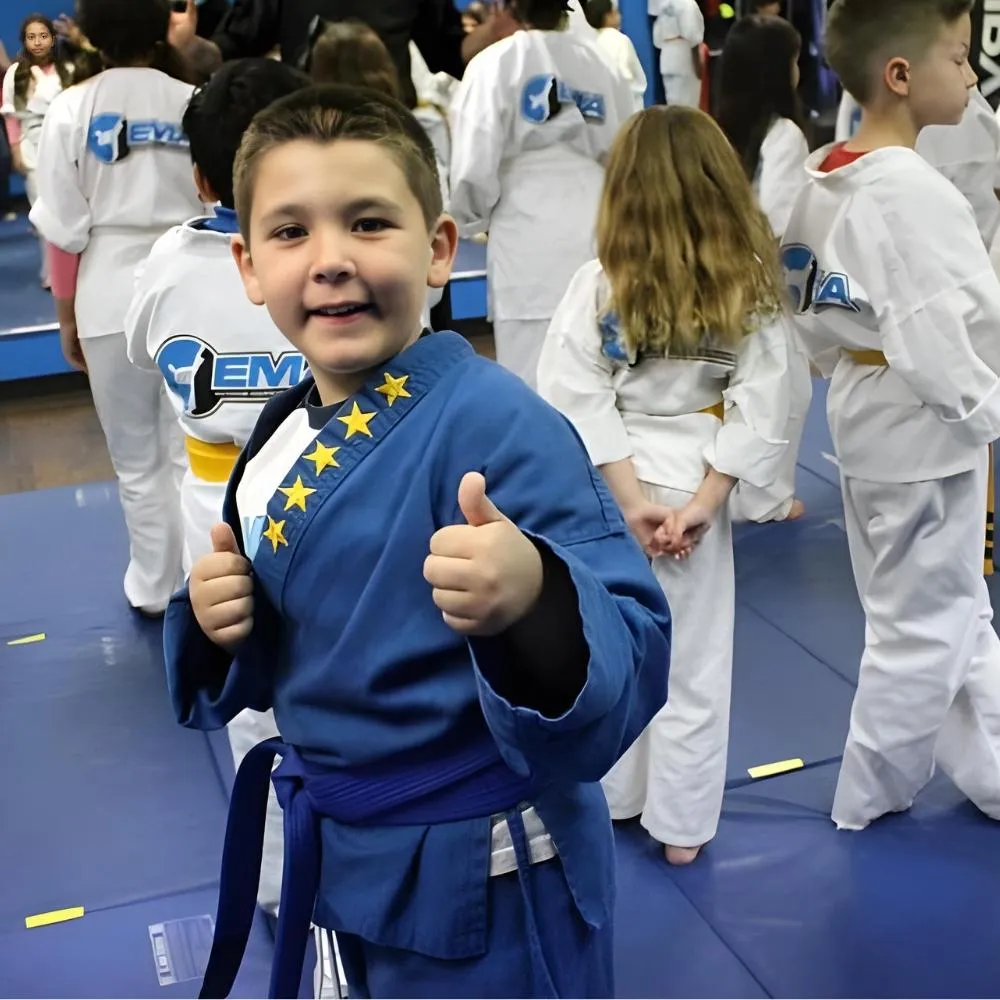
If you or your child want to have an amazing time while developing confidence, learning self-defense, and starting the journey to earning a black belt, you've come to the right place! Our martial arts school is conveniently located in the Vero Beach area, and we've proudly served hundreds of happy families just like yours who want fun, safe, and affordable martial arts classes!
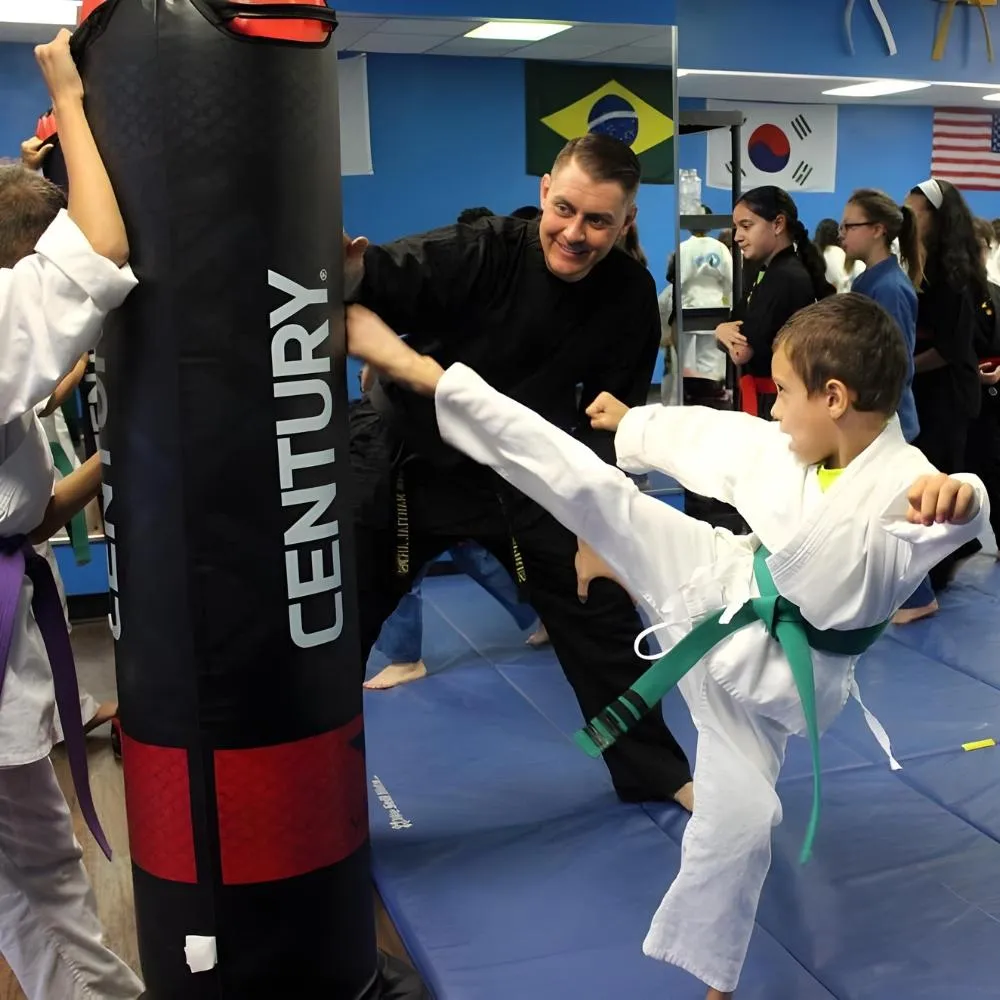
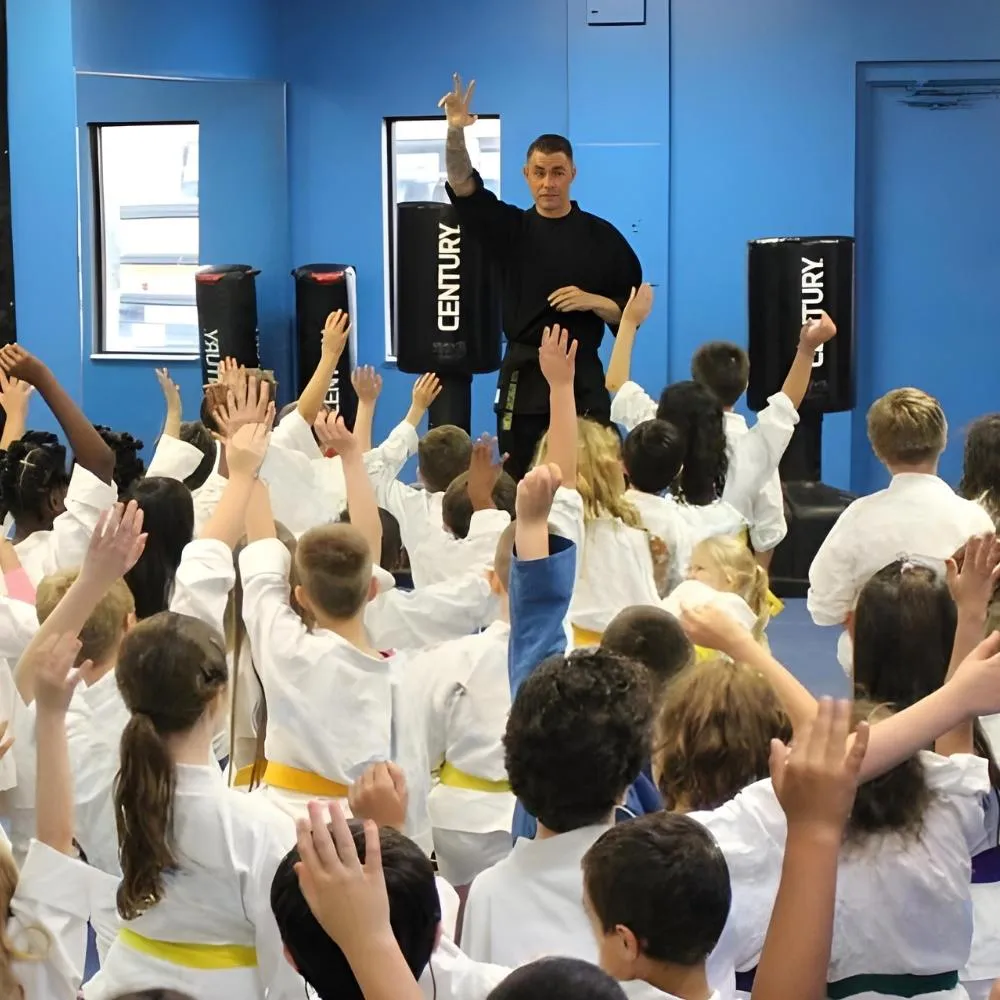
In our martial arts program, we love developing successful kids, teens, and adults! Each week, our classes give our students the opportunity to practice a variety of exciting martial arts exercises, drills, sparring, and games!
We can't wait for you to meet our team! We have the BEST instructors with years of experience, who are fully trusted, and they have passed a comprehensive background check! (This is the same type of background check required to be a school teacher in our area.)
This is cool too! Did you know that we also offer an incredible after school program and summer camp for kids? It's true! Our goal is to support your family throughout the entire year!
This sounds amazing! How do we join? Simply click the blue button on this page, and we will contact you ASAP with our current tuition rates, weekly schedule, and how to enroll! (Our martial arts classes are filling up quickly! See you soon!)
Why Should You Choose Our Awesome
Martial Arts School In Vero Beach?
If you or your child want to have an amazing time while developing confidence, learning self-defense, and starting the journey to earning a black belt, you've come to the right place! Our martial arts school is conveniently located in the Vero Beach area, and we've proudly served hundreds of happy families just like yours who want fun, safe, and affordable martial arts classes!
Here at our martial arts school, we love developing successful kids, teens, and adults! Each week, our classes give our students the opportunity to practice a variety of exciting martial arts exercises, drills, sparring, and games!
We can't wait for you to meet our team! We have the BEST instructors with years of experience, who are fully trusted, and they have passed a comprehensive background check! (This is the same type of background check required to be a school teacher in our area.)
This is cool too! Did you know that we also offer an incredible after school program and summer camp for kids? It's true! Our goal is to support your family throughout the entire year!
This sounds amazing! How do we join? Simply click the green button on this page, and we will contact you ASAP with our current tuition rates, weekly schedule, and how to enroll! (Our martial arts classes are filling up quickly! See you soon!)
Check Out What Our Parents, Students, and Staff Have To Say About Our Martial Arts Program!
Watch These Real Parent, Student, And Staff Review Videos!
Real 5-Star Reviews About Our Martial Arts Program in Vero Beach!
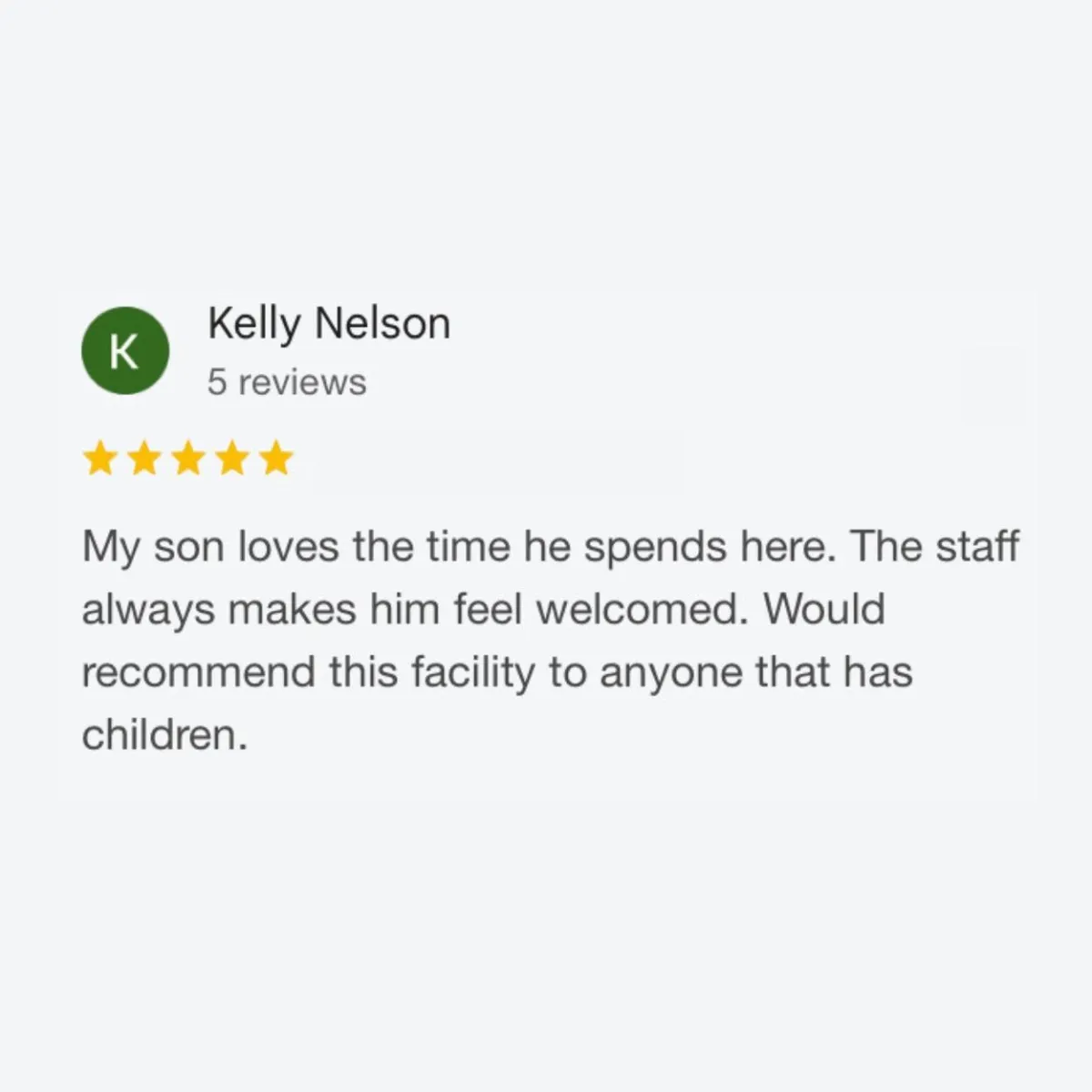
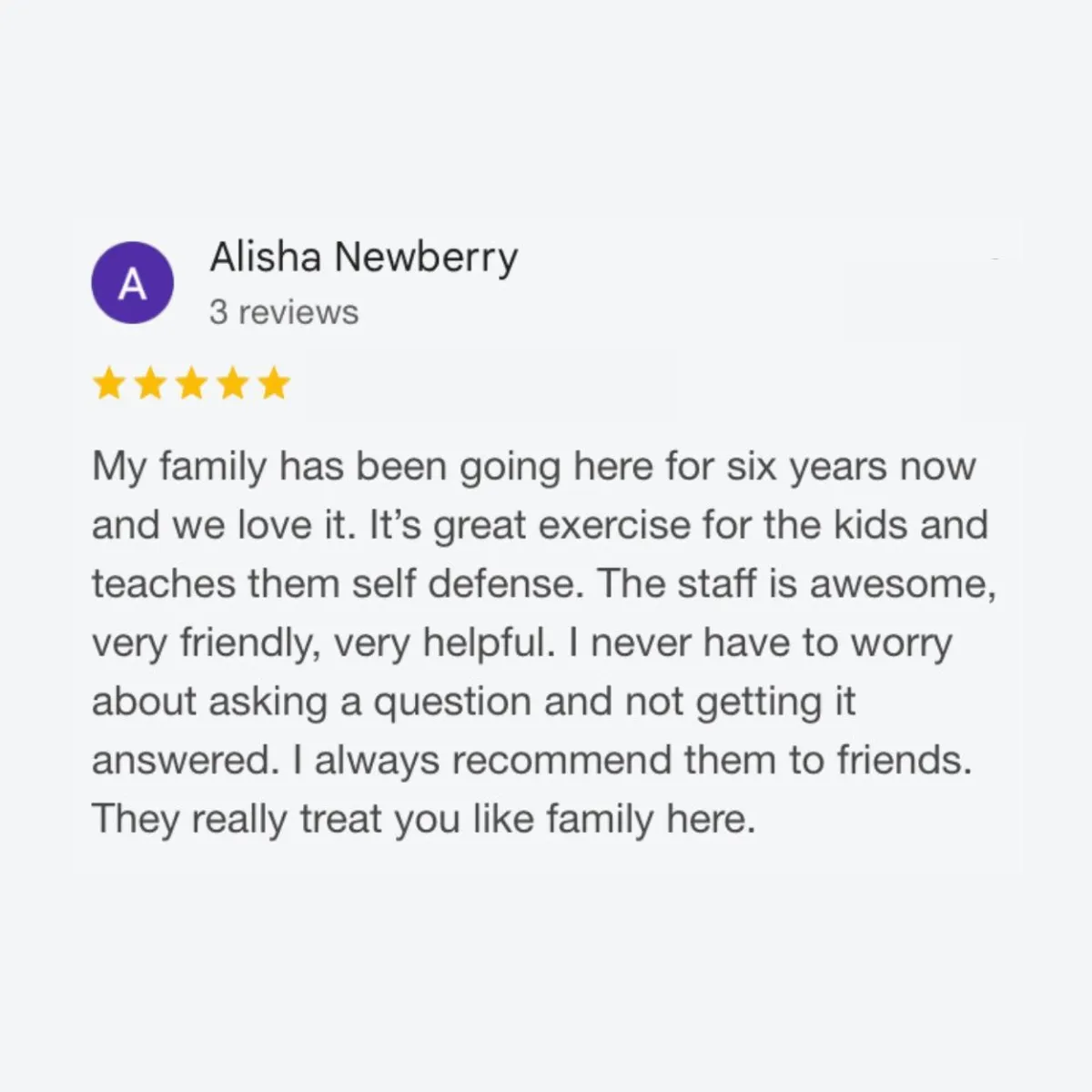
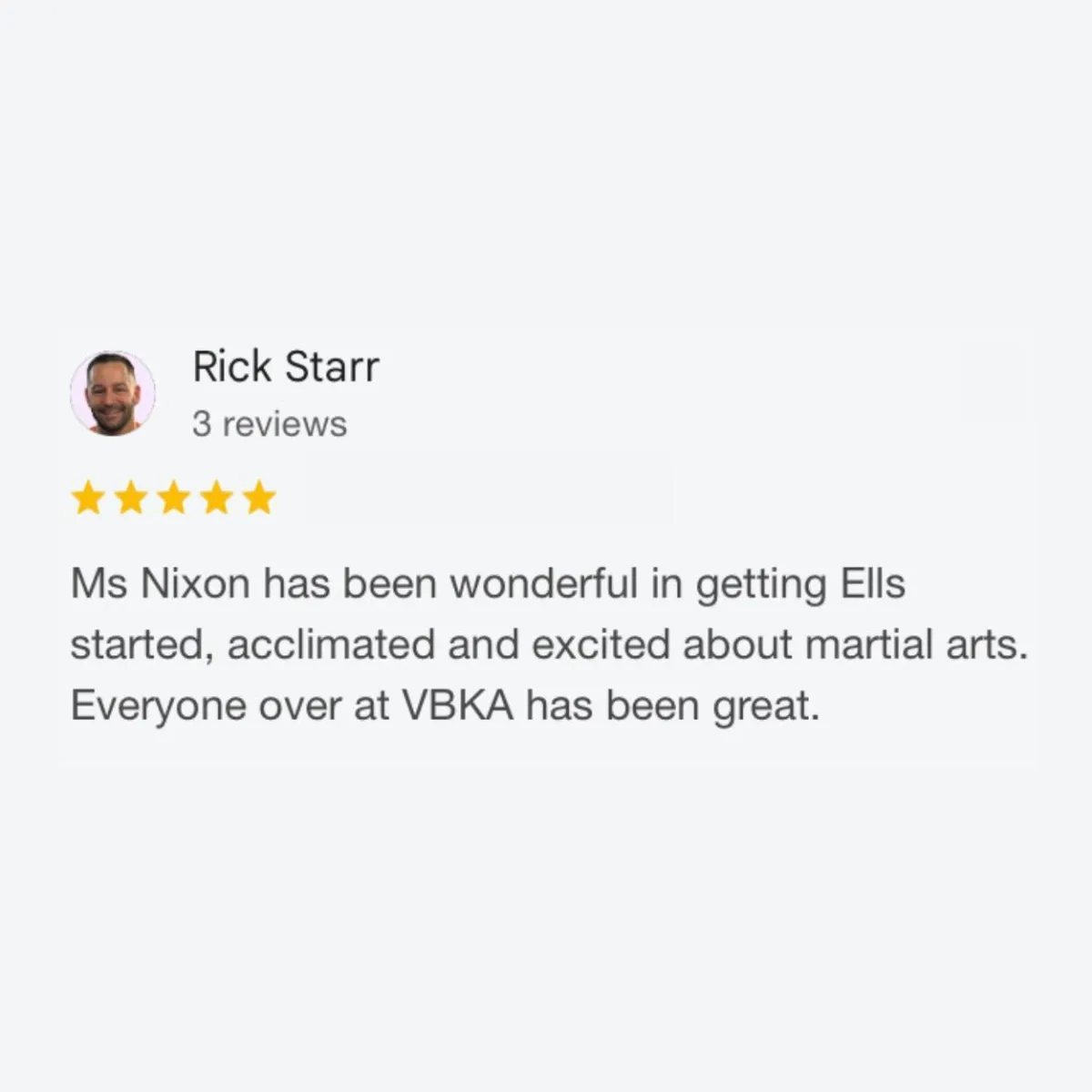
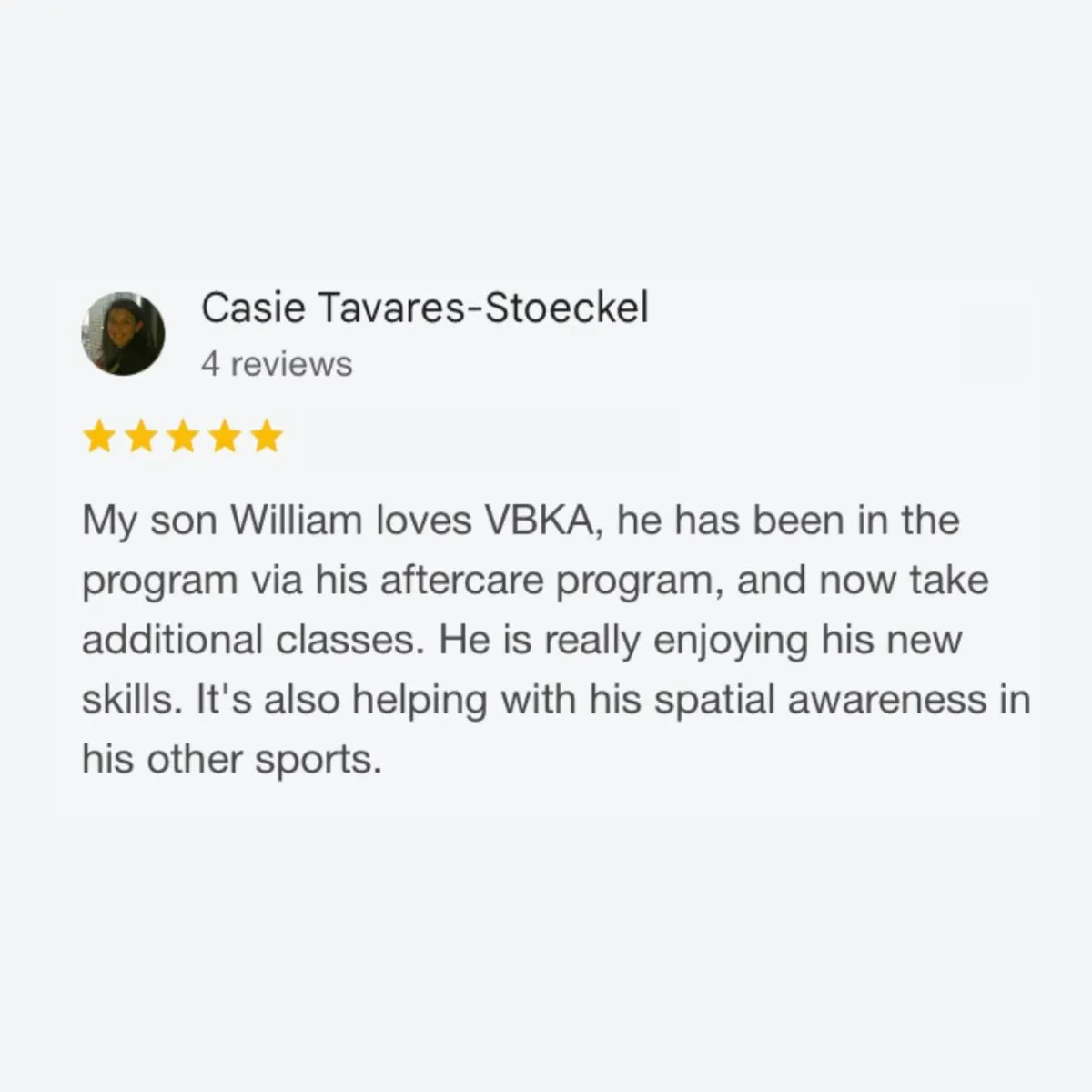
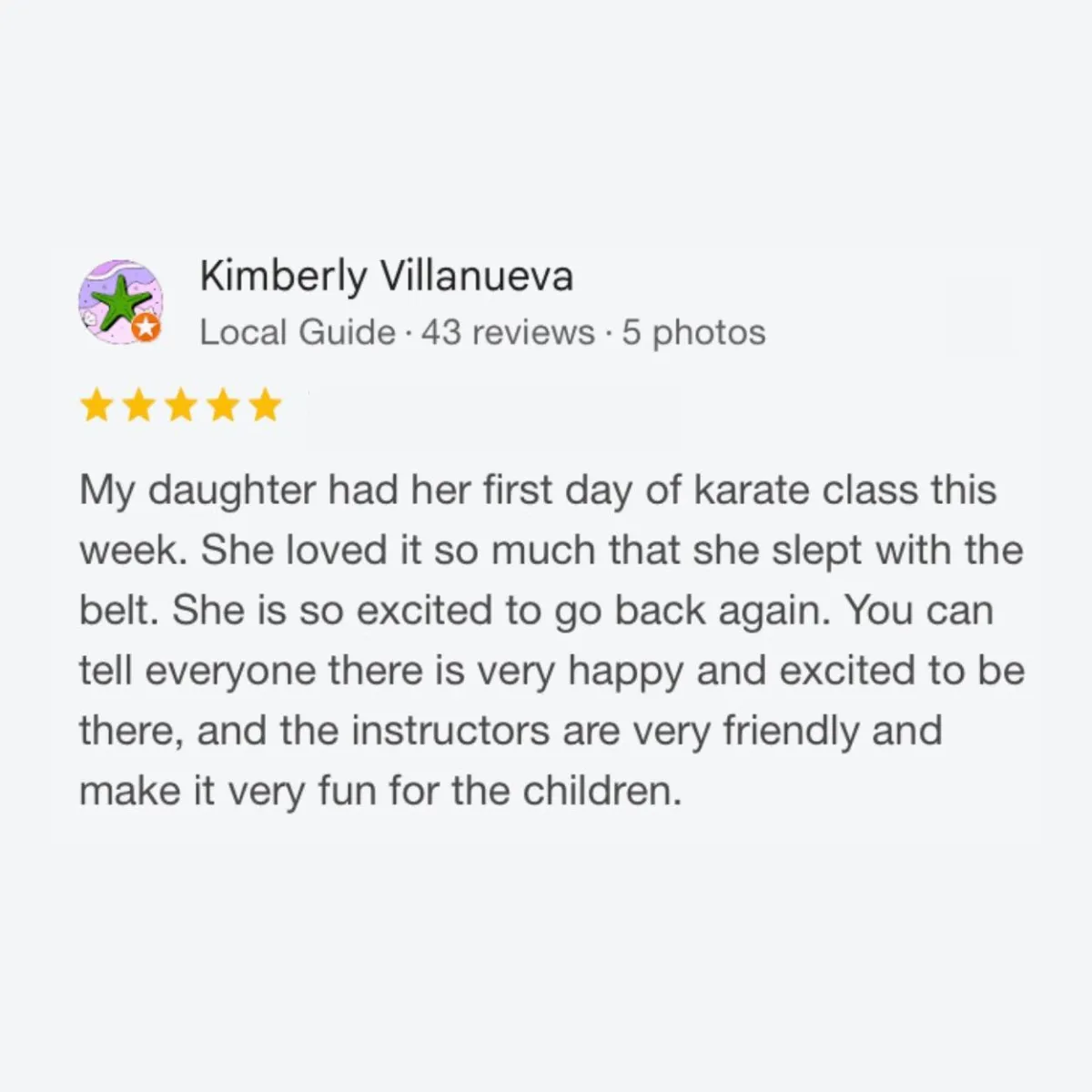
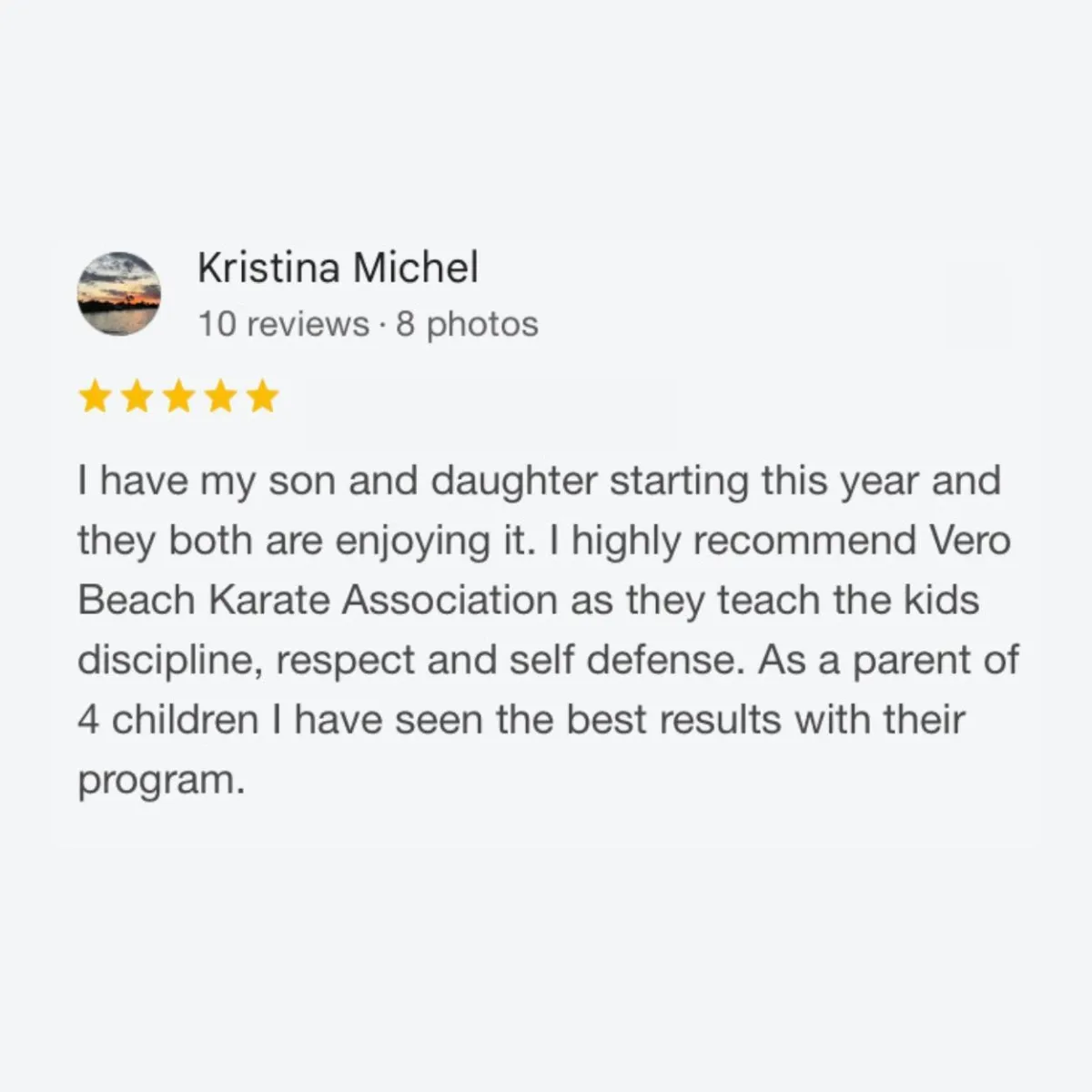
5-Star Reviews For Our Martial Arts Classes in Vero Beach!
Our 30-Day FREE Membership Special For June Is Going Quickly! (Limited Spots!)
Do you have any questions for us? We love connecting with parents of kids who want to join, as well as adults who are ready to start training! Our team is ready to chat with you right now! (Even on weekends!) Feel free to call or text us at(772) 567-9899.
Our martial arts classes are filling up quickly! There are only a few spots left because we always have so many happy members who stay with us for years! We encourage you to save a spot right now before our waiting list begins.
Save a spot for you or your child right now! If you want to learn more about our program, click the button below and we will give you more information about our current tuition rates, convenient class schedule, and how to join!
Our 30-Day FREE Membership Special For June Is Going Quickly!
(Limited Spots!)
Do you have any questions for us? We love connecting with parents of kids who want to join, as well as adults who are ready to start training! Our team is ready to chat with you right now! (Even on weekends!) Feel free to call or text us at (772) 567-9899.
Privacy Policy • Terms And Conditions
Questions? Call or Text us at: (772) 567-9899
Address: 1355 29th Street,
Vero Beach, Florida, 32960
Source One Software LLC © Copyright 2026 All Rights Reserved.
Privacy Policy • Terms And Conditions
Questions? Call or Text us at: (772) 269-0781
Address: 1351 29th Street,
Vero Beach, Florida, 32960
Source One Software LLC © Copyright 2026 All Rights Reserved.
Privacy Policy • Terms And Conditions
Questions? Call or Text us at: (772) 567-9899
Address: 1351 29th Street,
Vero Beach, Florida, 32960
Source One Software LLC © Copyright 2026
All Rights Reserved.
Privacy Policy • Terms And Conditions
Questions? Call or Text us at: (772) 269-0781
Address: 1351 29th Street,
Vero Beach, Florida, 32960
Source One Software LLC © Copyright 2026 All Rights Reserved.
Privacy Policy • Terms And Conditions
Questions? Call or Text us at: (772) 269-0781
Address: 1351 29th Street,
Vero Beach, Florida, 32960
Source One Software LLC © Copyright 2026
All Rights Reserved.
Privacy Policy • Terms And Conditions
Questions? Call or Text us at: (772) 269-0781
Address: 1351 29th Street, Vero Beach, Florida, 32960
Source One Software LLC © Copyright 2026 All Rights Reserved.
Privacy Policy • Terms And Conditions
Questions? Call or Text us at: (772) 269-0781
Address: 1351 29th Street,
Vero Beach, Florida, 32960
Source One Software LLC © Copyright 2026
All Rights Reserved.